
Choosing an assisted living community involves more than looking at attractive rooms or asking about monthly fees. A tour should help residents and families understand daily life, available support, staffing, safety procedures, health care coordination, and what may happen if needs change.
Use the questions below during a visit, and ask for clear examples rather than general assurances.
What level of care can the community provide?
The most important question is whether the community can safely support the resident now and as needs develop. Assisted living residences generally provide help with daily activities, supervision, meals, medication support, and personal care, but services and limits vary.
Ask:
- Which activities can staff assist with, such as bathing, dressing, toileting, walking, eating, or transferring?
- How is a resident’s care plan created and updated?
- What happens after a fall, hospitalization, new diagnosis, or noticeable decline?
- Can the community support residents with memory loss, mobility limitations, diabetes, or incontinence?
- What conditions or care needs would require a move elsewhere?
- How much notice is given if the community can no longer meet someone’s needs?
A resident may appear independent during a tour but need more help later. Ask how the community handles changing needs instead of evaluating only the current situation.
How are staff scheduled and trained?
Staffing affects nearly every part of daily life, including response times, personal care, meals, medication assistance, and overnight safety. Ask who is present during each shift, not only how many people are employed overall.
Useful questions include:
- How many direct-care staff work during the day, evening, overnight, weekends, and holidays?
- Is a nurse on site, on call, or available through another arrangement?
- What training is required before staff begin working with residents?
- How are staff trained in dementia care, fall prevention, emergency response, and medication procedures?
- How does the community cover sick calls, vacations, and open positions?
- Is there a stable core staff, or do temporary workers frequently fill shifts?
- Who responds when a resident presses an emergency call button?
Ask whether staffing changes during meals, bathing times, or overnight hours. Those periods may reveal whether the community can provide help promptly when several residents need assistance at once.
What is included in the monthly cost?
A low starting rate may not reflect the total cost of care. Ask for a written explanation of what is included and what may be billed separately.
Clarify charges for:
- Personal care based on the amount of assistance required
- Medication reminders, administration, or management
- Incontinence supplies or additional laundry
- Transportation and escorted appointments
- Special diets, guest meals, or room-service delivery
- Housekeeping, laundry, cable, internet, or telephone service
- Physical, occupational, or speech therapy
- Hospice or home health services
- Increased care after a reassessment
Also ask how often fees change, whether there are one-time entrance or move-in charges, and whether a deposit is refundable. The residency agreement should explain services, prices, discharge terms, and responsibilities in understandable language.
What does a normal day look like?
A tour can look quiet and polished, but residents need to know what everyday life is actually like. Ask the person conducting the tour to describe a typical weekday and weekend.
Questions might include:
- What time are meals served?
- Are residents able to choose when they get up, bathe, or go to bed?
- How are activities planned, and may residents decline to participate?
- Are there quiet spaces for reading, prayer, phone calls, or visits?
- Can residents bring familiar furniture, photographs, or personal belongings?
- Are visitors welcome at flexible times?
- Can residents leave the building independently if they are able to do so safely?
- How are transportation needs handled for appointments, errands, or family visits?
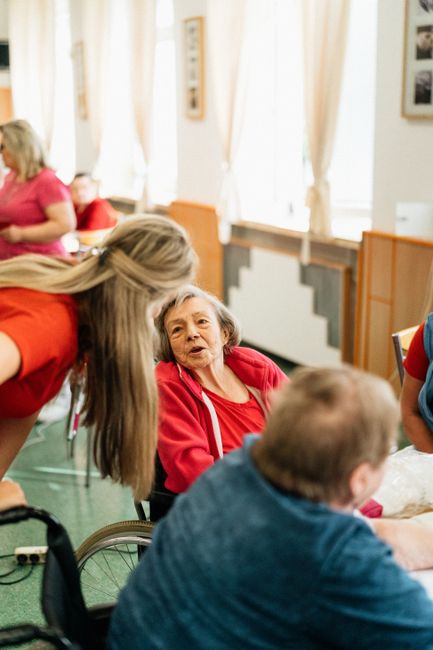
Pay attention to how residents appear during the tour. Do they seem engaged, comfortable, and able to ask staff for help? Are common areas being used, or do most people remain isolated in their rooms?
How are meals, medications, and health concerns handled?
Food and medication routines are central to a resident’s health. Ask to see a sample menu and find out how the community handles preferences, allergies, swallowing concerns, diabetes, religious restrictions, and changing appetites.
Ask:
- Can residents choose between meal options?
- What happens if someone misses a meal or needs food at a different time?
- How are medication errors prevented and reported?
- Who communicates with a resident’s physician, pharmacy, and family?
- How are changes in weight, behavior, pain, falls, or sleep reported?
- What happens during a medical emergency?
- Can residents continue using their current doctors?
In Pennsylvania, assisted living residences and personal care homes are different from nursing homes, which provide a higher level of medical care. A community should explain plainly what services it provides directly and which services must come from outside health care providers.
How does the community prepare for emergencies and severe weather?
Local households should ask detailed questions about power outages, winter storms, extreme heat, and transportation disruptions. A community may have backup procedures, but families should understand how those plans work in practice.
Ask:
- Is there a generator, and which systems does it operate?
- How are residents kept warm during an extended power outage?
- What is the plan for snow, ice, flooding, or unsafe travel?
- How are medications, food, oxygen, and other necessities maintained during disruptions?
- Where would residents go during an evacuation?
- How are family members notified during a major incident?
- How often are emergency drills conducted?
Also ask whether the building is easy to enter and exit for people using walkers, wheelchairs, or other mobility equipment. Look for clear hallways, working handrails, adequate lighting, and accessible bathrooms.
What rights and complaint procedures do residents have?
Residents should know how to raise concerns without fear of retaliation. Ask where the current license and inspection information are posted and how residents or families can submit a complaint.
Clarify:
- How can a resident report a concern privately?
- Who handles grievances?
- Can residents receive visitors and make private phone calls?
- How is personal money or property protected?
- What privacy is provided during bathing, dressing, and health care?
- What is the process for appealing an involuntary discharge?
- How are resident councils or family meetings organized?
A clear answer is a good sign. Evasive answers, pressure to sign quickly, or reluctance to provide written policies deserve careful consideration.
What should be observed before choosing?
Do not rely on a single guided tour. If possible, visit at different times, including during a meal or evening. Notice odors, noise, cleanliness, room temperature, call-bell response, and whether staff speak respectfully to residents.
Ask current residents what they like and what they would change. Review the agreement at home rather than signing under pressure. Compare communities using the same written checklist so that personal impressions do not replace practical information.
For families in Tyrone, seasonal conditions and travel distance may also matter. Consider how easily loved ones can visit in winter, whether the location is convenient for medical appointments, and whether the setting feels familiar and manageable for the resident’s daily routine.
The right community is not simply the one with the nicest lobby. It is the one that can explain its care, costs, staffing, safety procedures, resident rights, and limits in specific terms.
