

How Does Creative Expression Benefit Seniors in Assisted Living?
Creative activities support residents’ well-being by keeping minds engaged and providing opportunities for personal fulfillment. Artistic expression—whether through painting, music, writing, or crafts—can foster social connections, reduce feelings of isolation, and help seniors retain cognitive skills. In communities such as Tyrone, PA, creativity is also a way for individuals to express a sense of identity, share stories, and connect with the area’s traditions and seasonal rhythms.
Many residents find that regular creative opportunities contribute to:
- Improved mood and reduced anxiety
- Sharper memory and problem-solving abilities
- Increased motivation to participate in daily activities
- A sense of achievement through completed projects
What Types of Creative Activities Are Accessible in Assisted Living?
Most assisted living environments are designed to enable safe, accessible participation in creative pursuits. Residents commonly enjoy options such as group art projects, music appreciation, singing, group storytelling, seasonal crafts, and simple do-it-yourself activities that don’t require specialized skills.
Typical examples in the city’s assisted living settings include:
- Watercolor painting sessions using adaptable tools for arthritic hands
- Collaborative mural projects that celebrate local themes
- Seasonal crafts like spring flower arranging or autumn leaf collages
- Group poetry readings or memoir writing circles
- Music singalongs or instrumental rhythm groups, sometimes featuring songs from earlier decades
These activities are often adapted to accommodate mobility, vision, or dexterity challenges so that all residents can participate meaningfully.
Can Creative Activities Be Adapted for Different Abilities?
Creative expression is naturally flexible and can be tailored to each person’s interests and physical strengths. For example:
- Residents who have limited hand strength may enjoy larger brushes, adaptive scissors, or tactile materials like clay or felt.
- Music activities can involve simple percussion instruments or even clapping and tapping, requiring no previous skill.
- Collaborative art—such as group collages—lets participants contribute in small ways, removing pressure to achieve technical results.
In Tyrone, staff and families often support adaptation by bringing in familiar materials, using accessible workspaces, and encouraging residents to share ideas for new projects.
How Does Creative Engagement Affect Daily Life and Social Connections?
Creative sessions frequently serve as social gatherings, not just solitary hobbies. Residents may bond over shared projects or group performances, sparking new friendships in the process. In the local community, seasonal crafts or music nights can become anticipated events that link residents with each other and with outside visitors, such as friends, family, or volunteers.
Participation in artistic activities can help residents:
- Share conversation starters and personal memories
- Work together to achieve a group goal
- Reduce feelings of loneliness, especially in small-town or rural environments where outside visitors may be infrequent
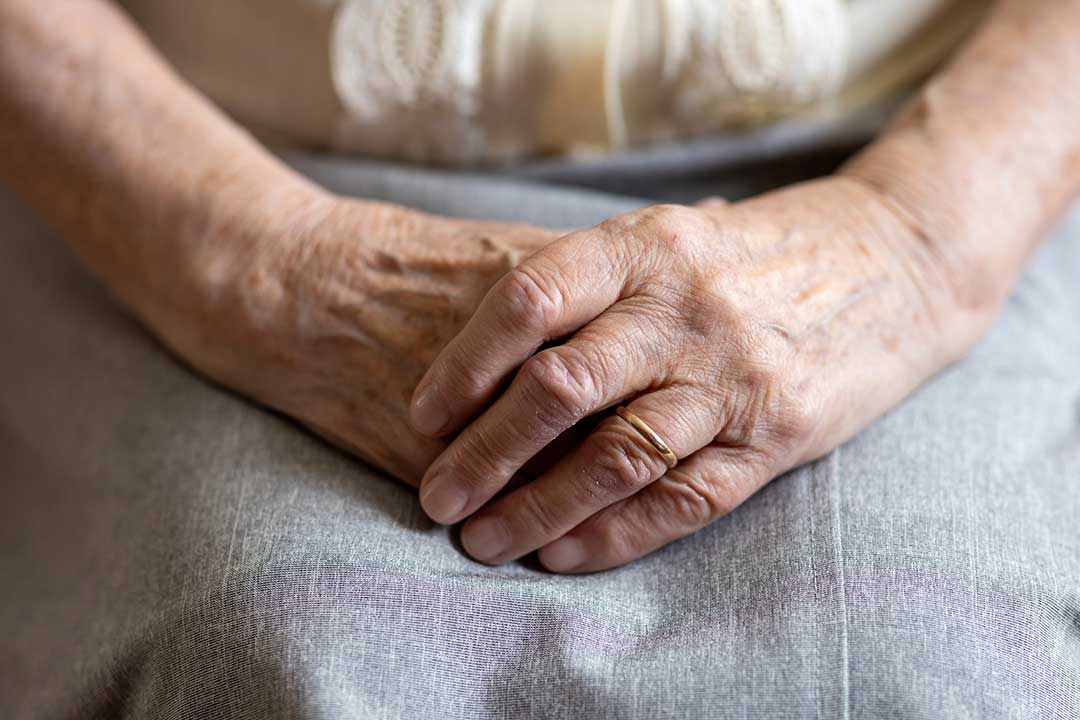
Family members often find that creative projects provide meaningful topics for conversation and a way to connect during visits.
What Are Some Common Barriers and Misconceptions About Senior Creativity?
A frequent misconception is that creativity requires technical skill or lifelong practice. Many people believe only “naturally artistic” individuals benefit, but research and local experience both show that everyone can enjoy and gain from creative activities, regardless of experience.
Other barriers may include:
- Concerns about mess or clean-up—using washable and easy-to-handle materials can address this
- Fear of “not doing it right”—emphasizing process over results helps residents enjoy the activity without pressure
- Limited awareness of the types of creative activities available
Flexibility and encouragement are key. Residents are most likely to participate and benefit when creative offerings allow for wide variation in skill, interest, and mood.
What Role Do Seasons and Local Traditions Play in Senior Creativity?
In Tyrone, the changing seasons strongly influence creative activities. Winter crafts may focus on snowy landscapes or warm indoor projects, while spring brings gardening, floral crafts, and nature walks for inspiration. Regional traditions—heritage months, local fairs, or holidays—can offer opportunities for themed programs that resonate with residents’ experiences and memories.
For example, local residents might:
- Create handcrafted decorations reflecting area wildlife or landscapes
- Make projects inspired by regional historical themes
- Join community storytelling events about life in the city in past decades
Recognizing the familiar can increase enthusiasm and engagement, anchoring projects in meaningful local context.
How Can Residents and Families Suggest or Start New Creative Programs?
Residents and families are often encouraged to suggest new ideas and hobbies. This might mean proposing a craft project linked to a specific memory—or simply asking for supplies and space to try something new. Successful programs often start small: a few people crocheting together, swapping stories, or exploring new materials on a rainy day.
Staff frequently welcome suggestions based on personal interests, family traditions, or new techniques someone would like to learn. Participation and communication can help ensure that creative options continue to evolve and meet residents’ changing needs.
